What is a Defibrillator?
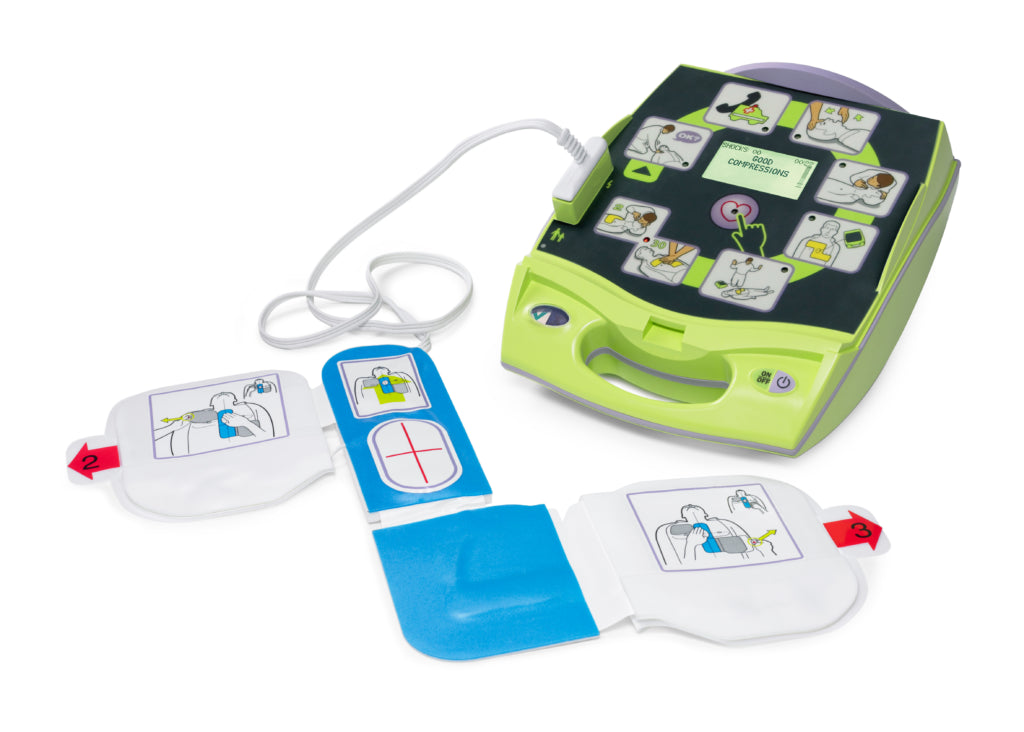
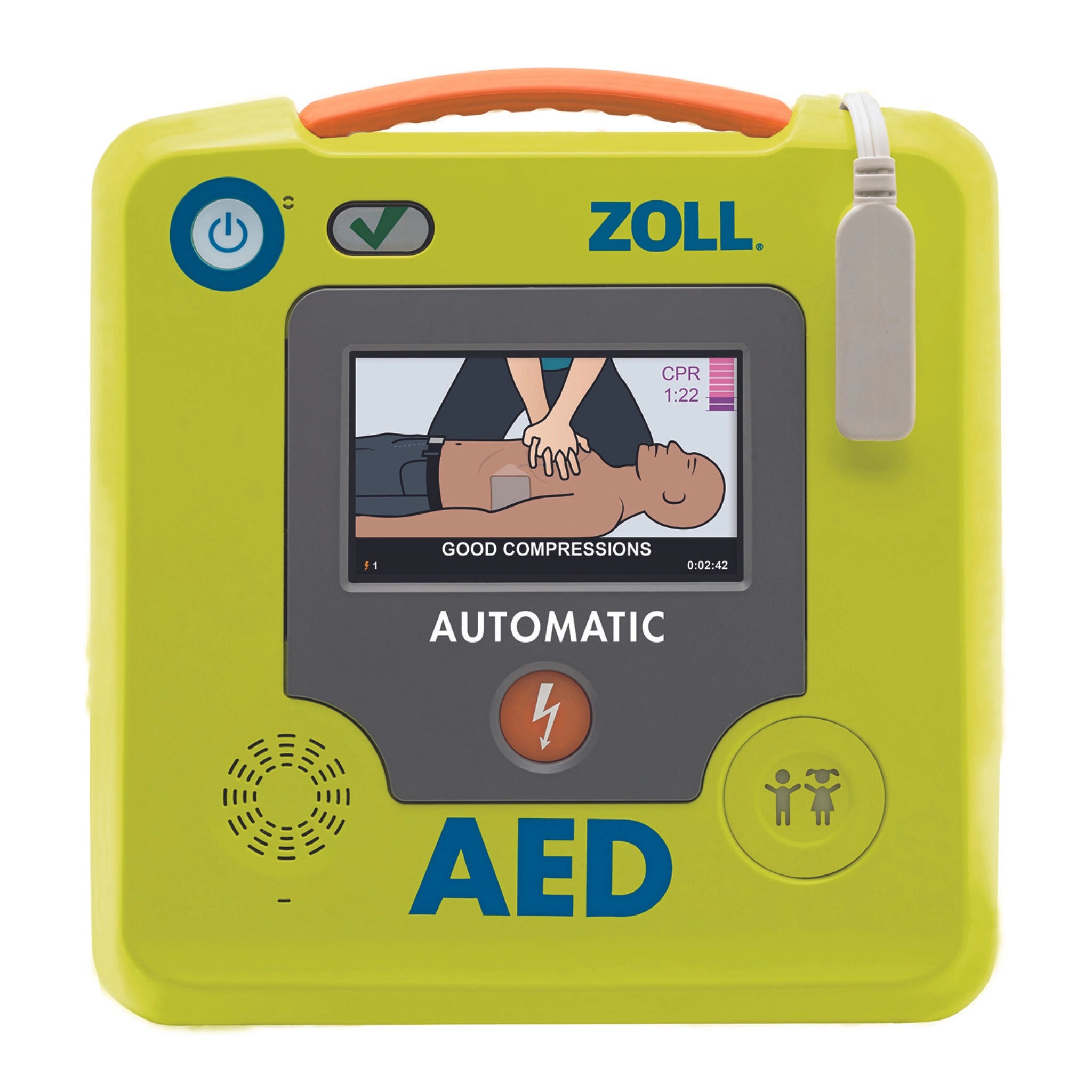
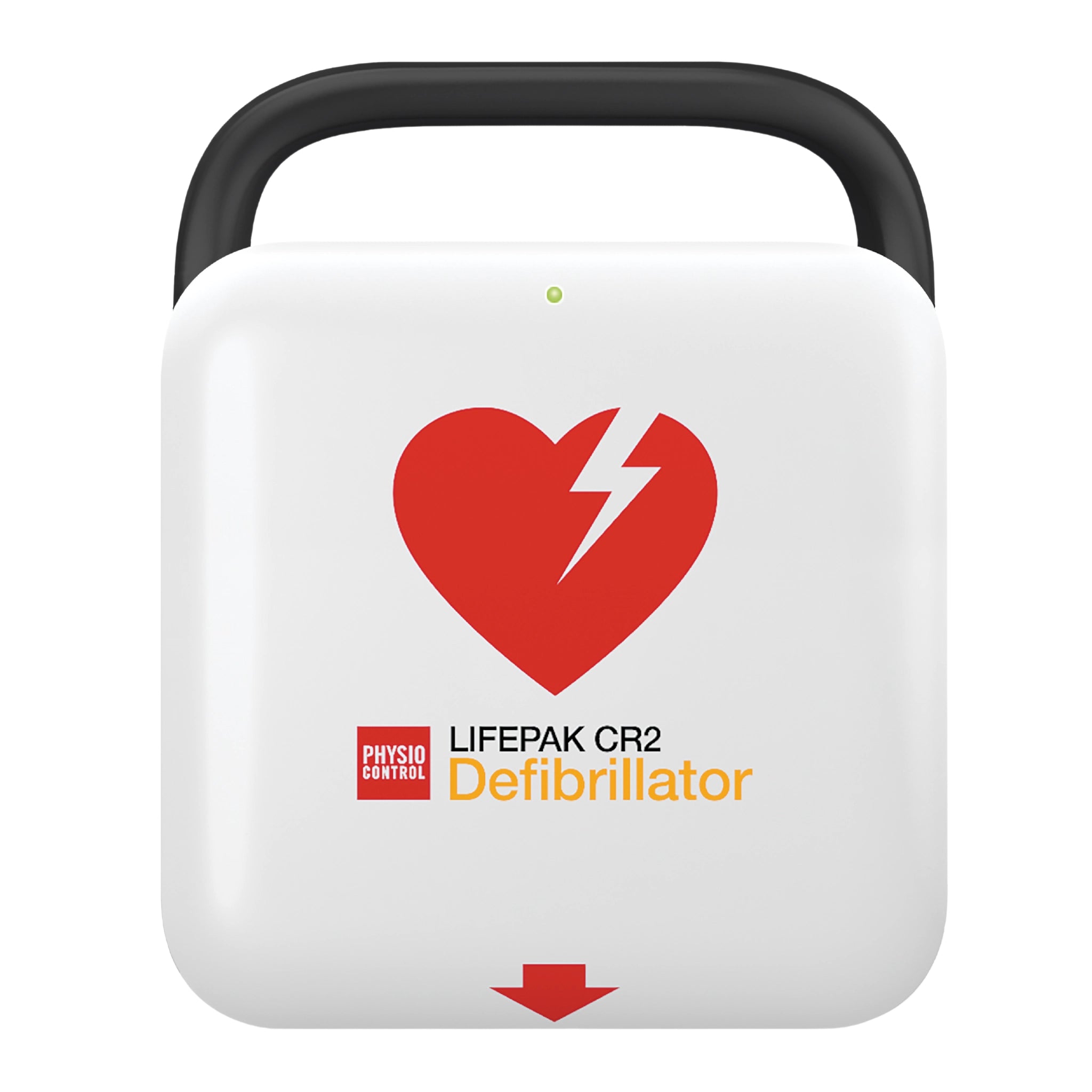
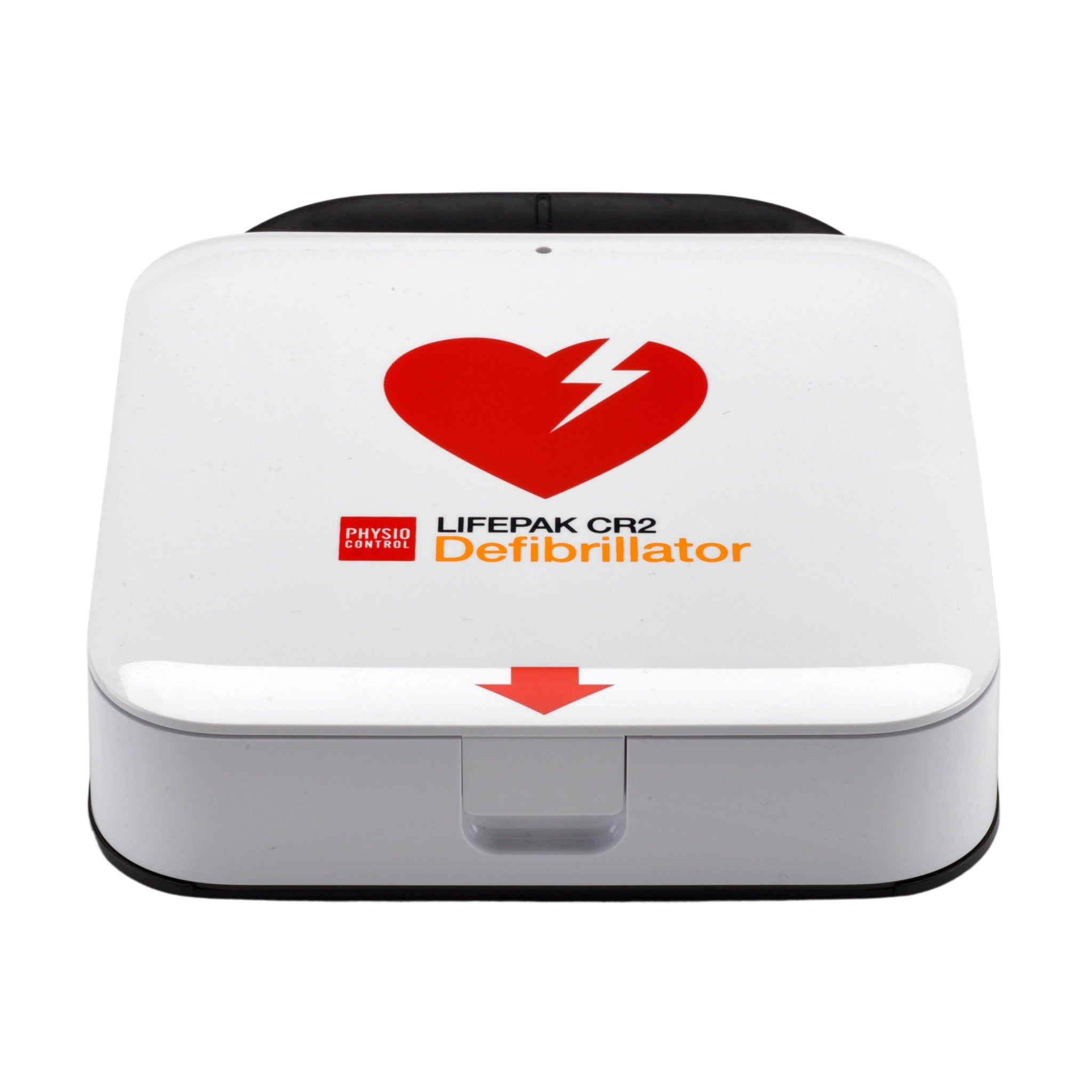
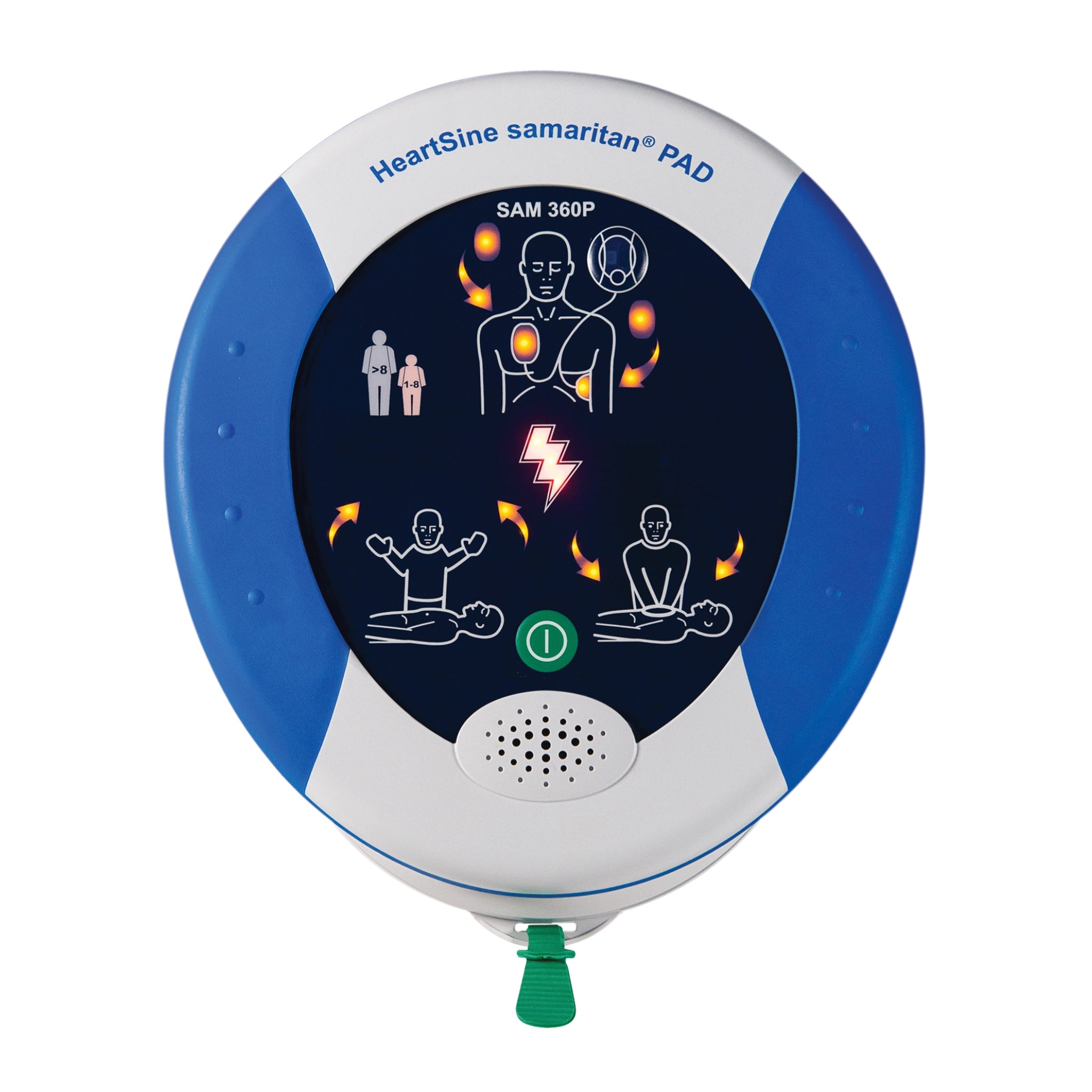
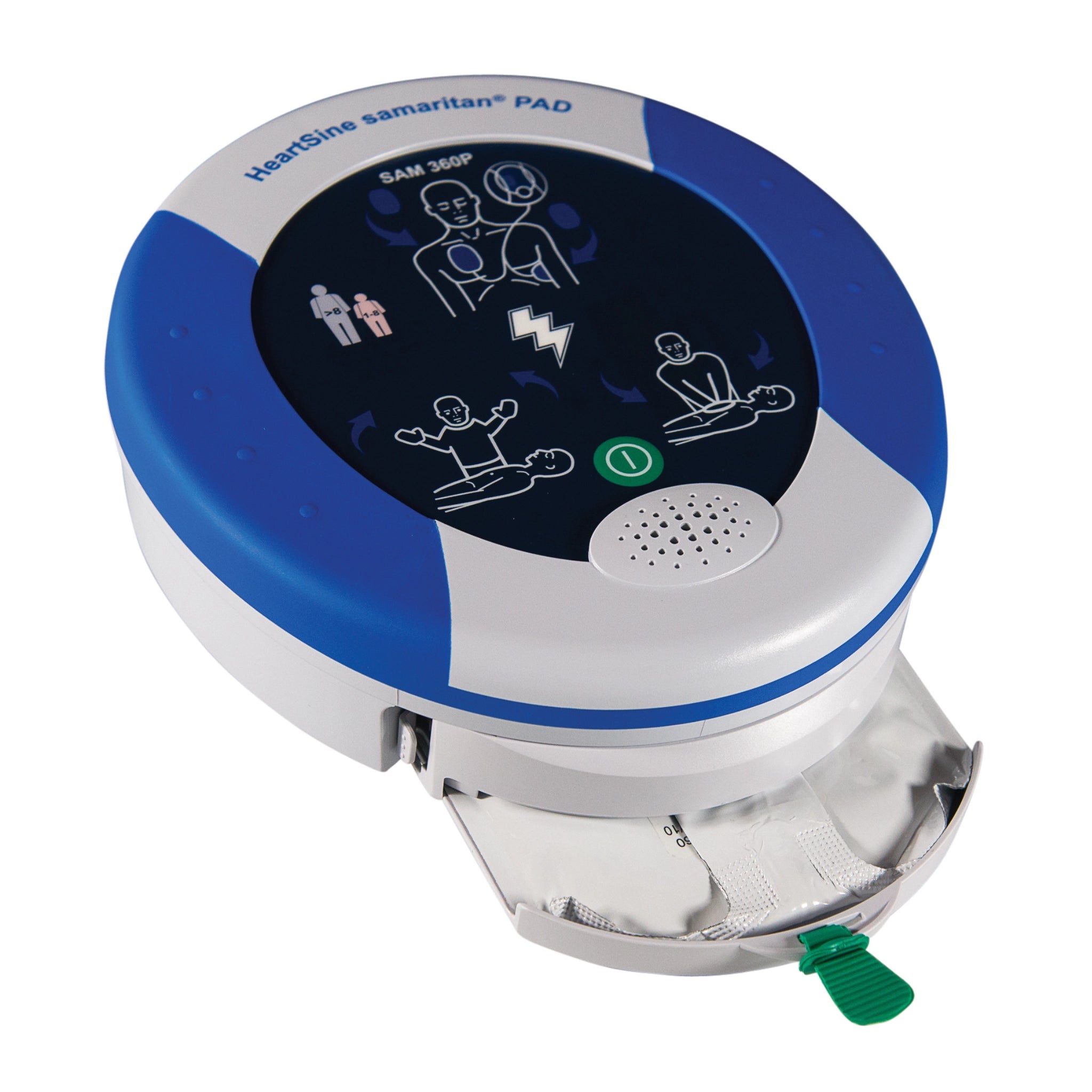
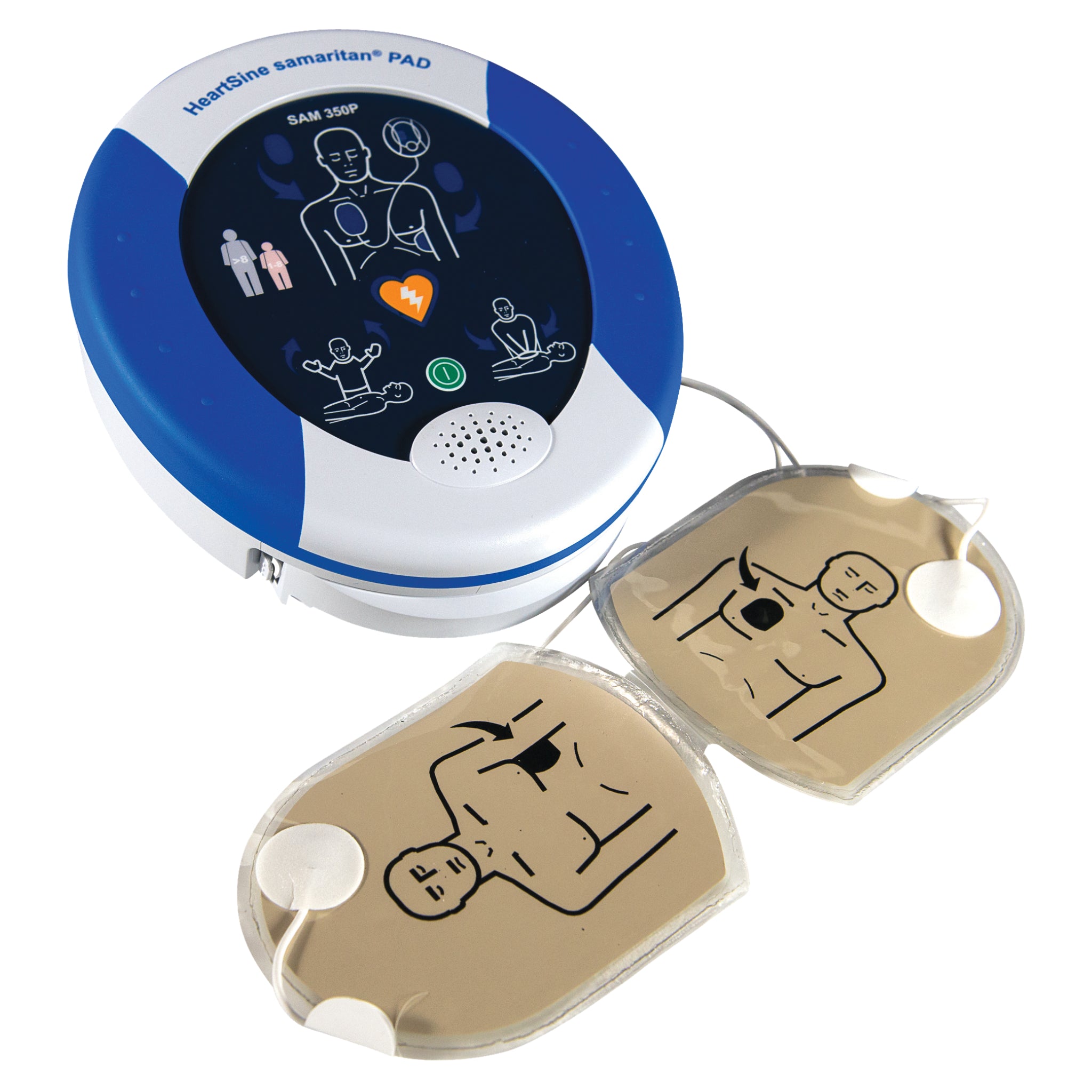
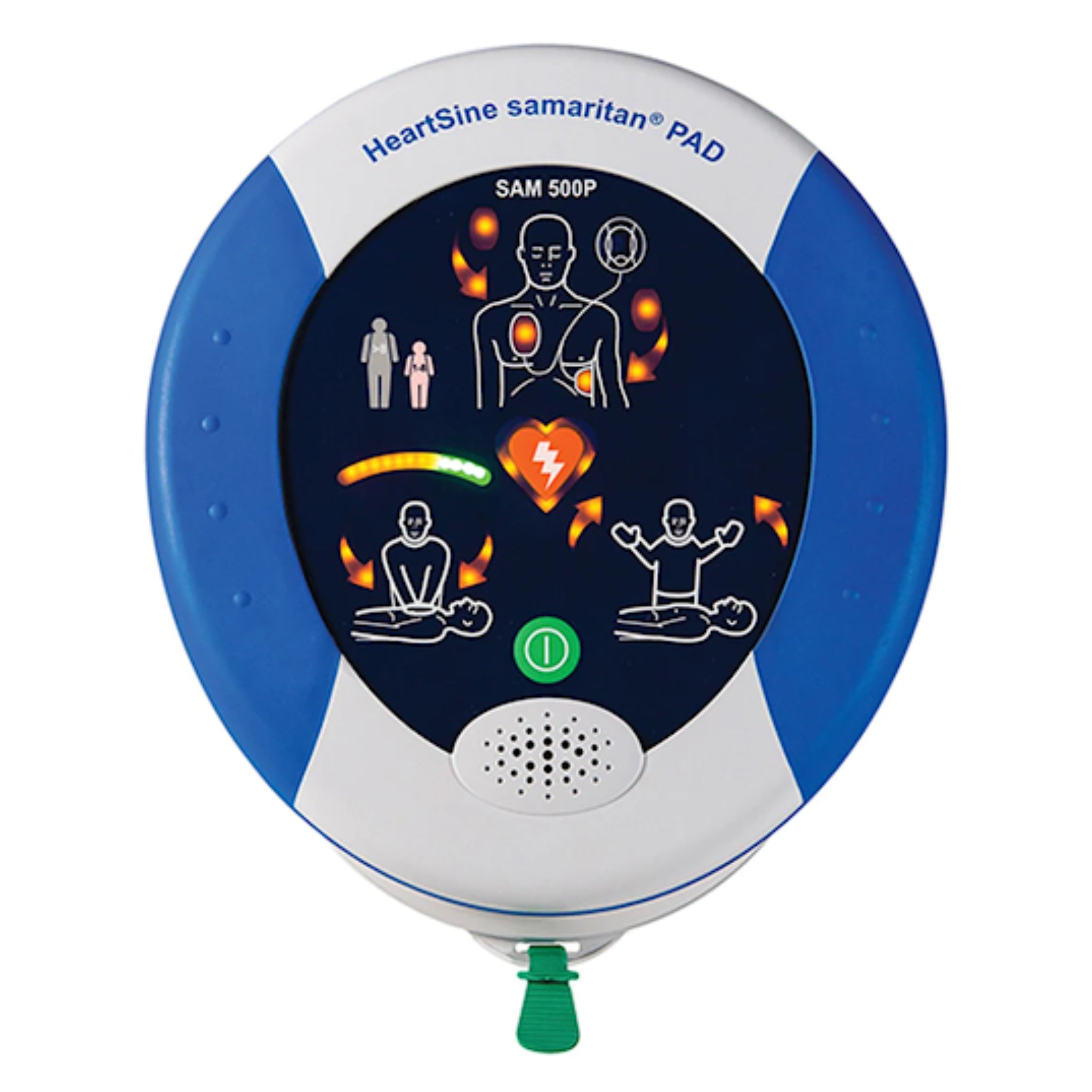
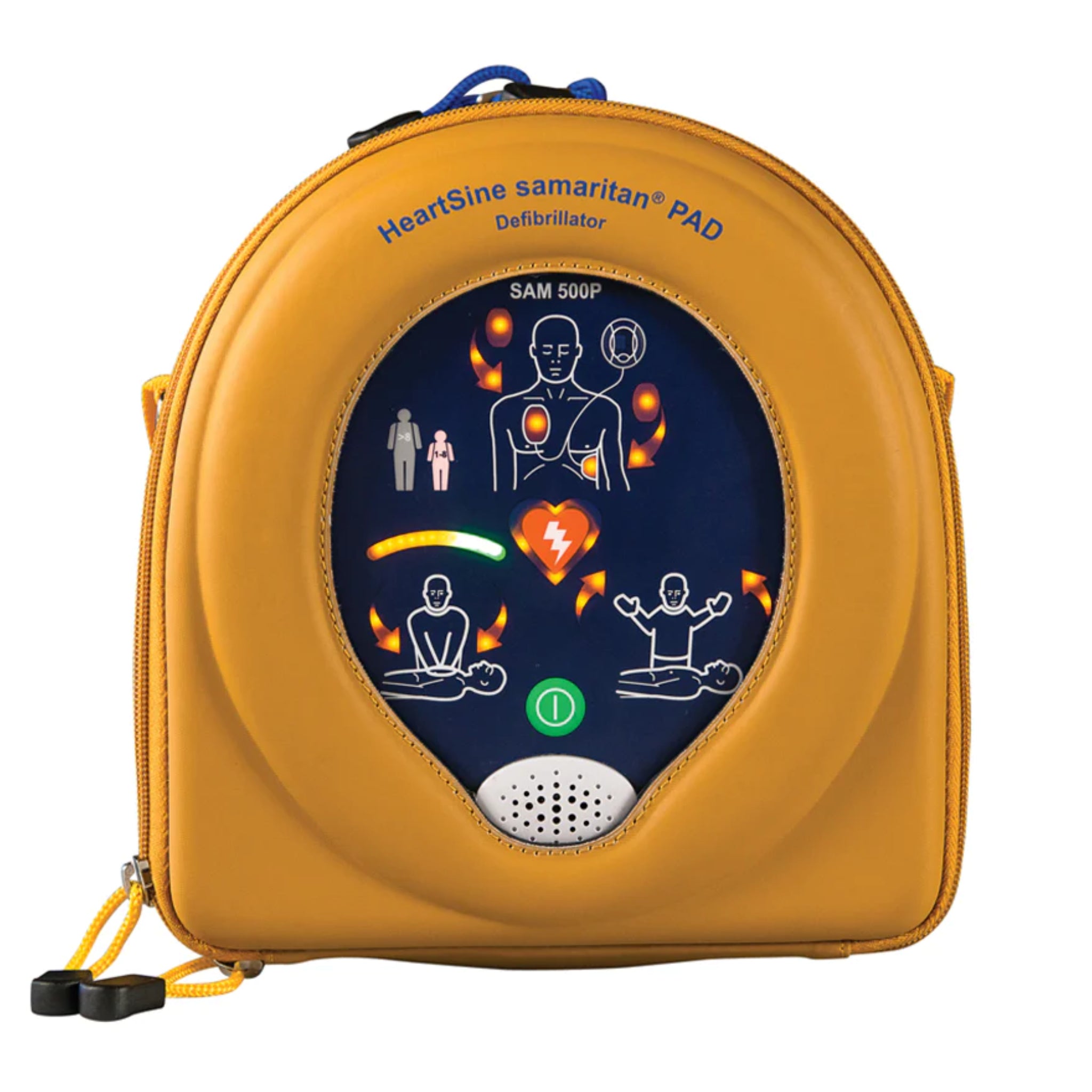
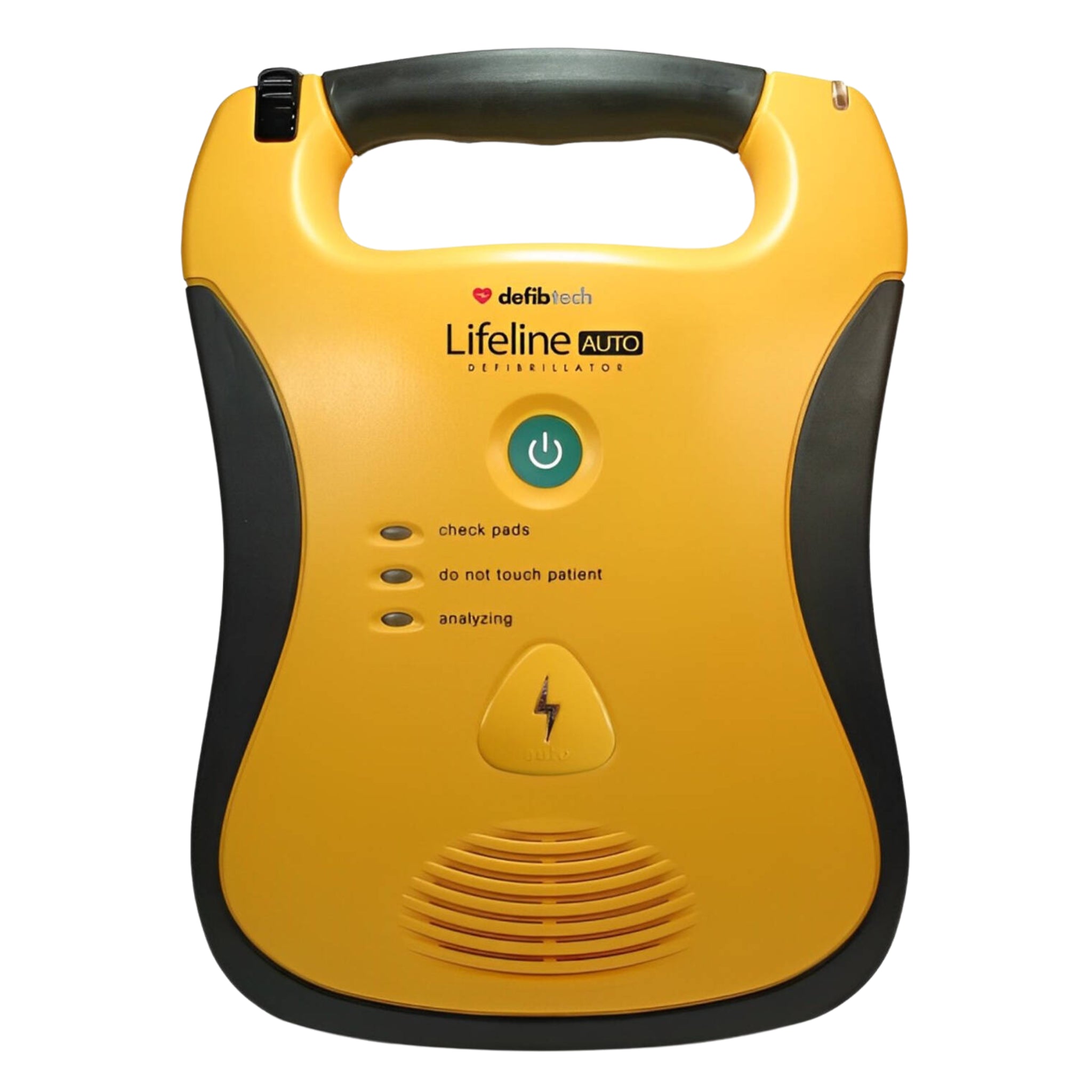
A defibrillator (known as an automated external defibrillator or AED) is a small, portable device designed to deliver a controlled electrical shock to a person experiencing certain cardiac rhythms. Defibrillators must be used in conjunction with CPR.

Best Selling Defibrillators
Explore our AEDs below.



Defibrillator FAQs
Explore our Defibrillator FAQs below. If you have any questions be sure to get in touch with our team.
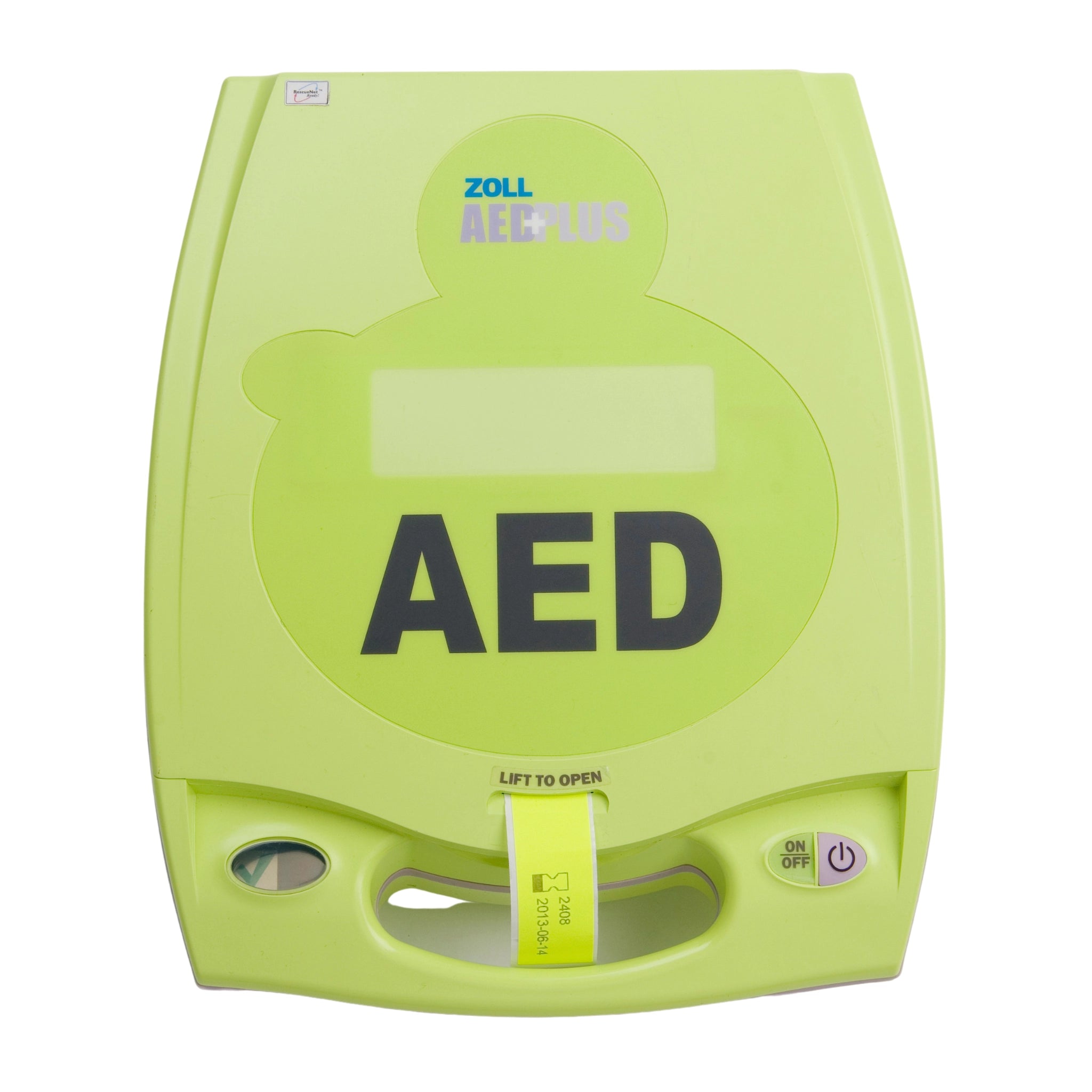
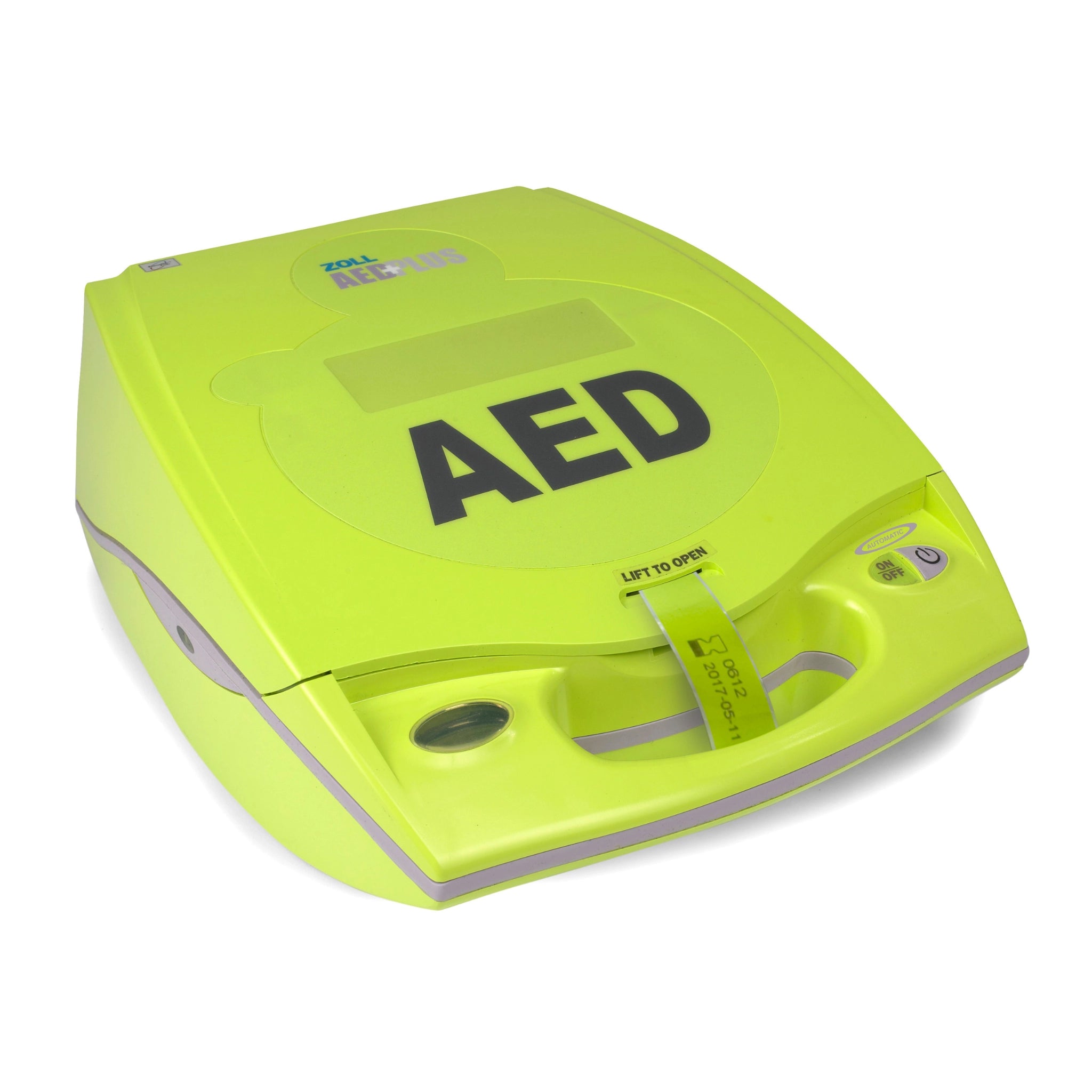
AED stands for Automated External Defibrillator, which is a device that can correct an irregular heartbeat in a cardiac arrest victim.
An AED analyses the electrical activity of a victim’s heart through the electrode pads that are applied to the patient’s chest.
If a shockable rhythm is detected, the AED will advise a shock to restore the normal rhythm.
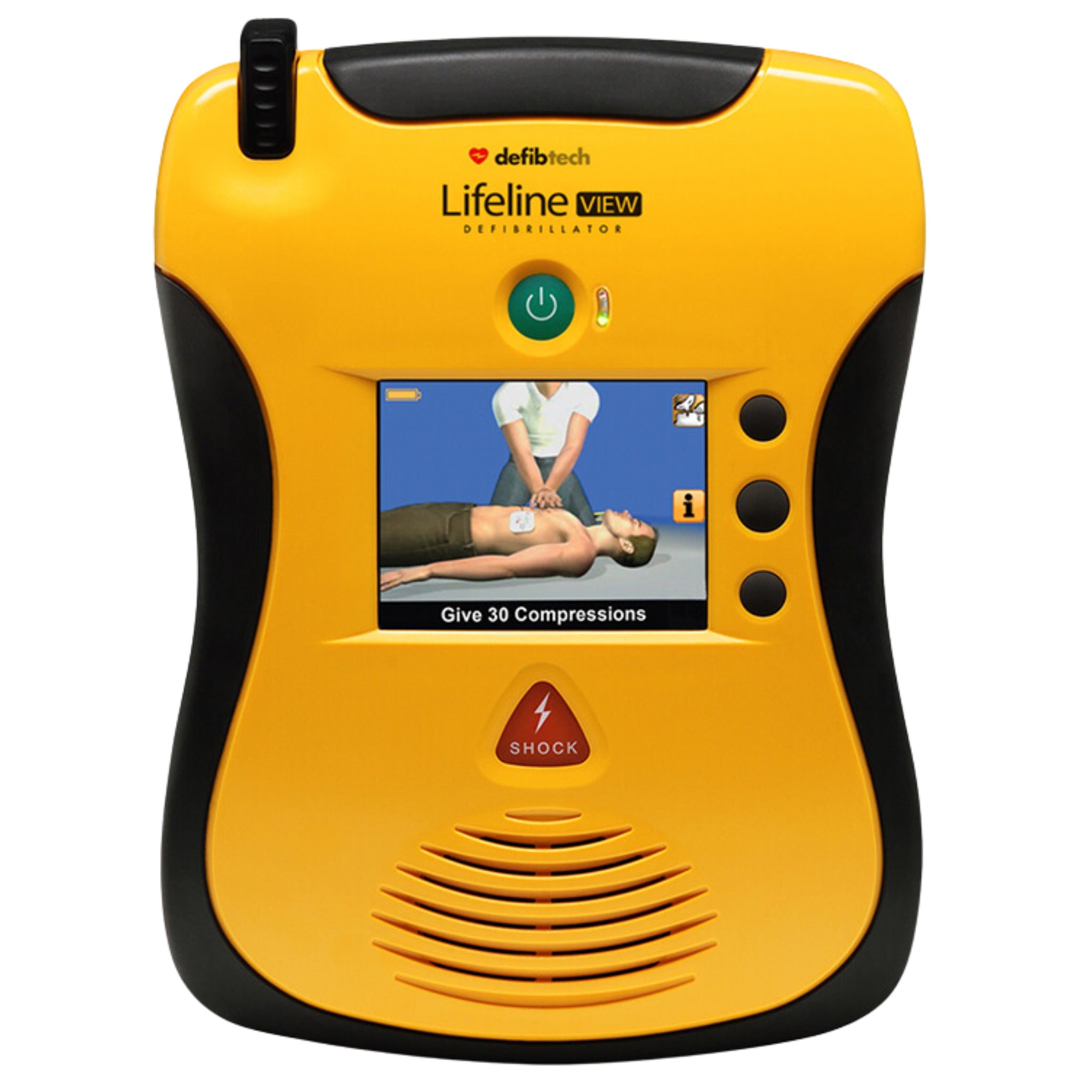
Once turned on, an AED will guide the rescuer with clear instruction. Some AEDs have a screen that gives visual directions. Instructions can include:
- “Stay calm…”
- “Check Responsiveness”
- “Call for help….
- Call emergency services now”
- “Cut or tear clothing to expose the patients bare chest.”
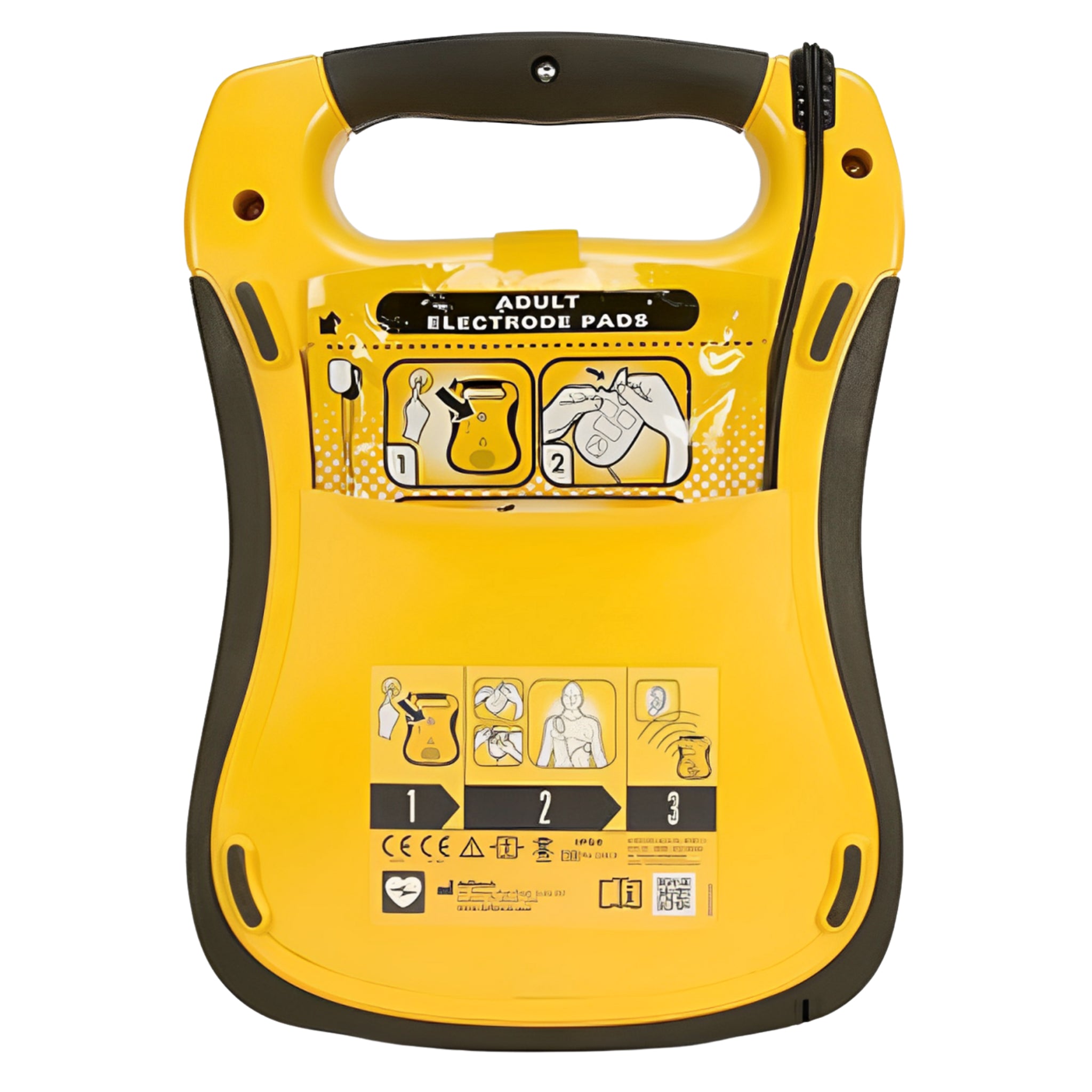
- “Open pad packet.”
- “Attach pads to patient’s bare chest.”
- “Stand clear….. Analysing heart rhythm…..Stand clear….. Analysing heart rhythm…”
- “Stand clear…Shock advised.”
- “Stand clear…Shock will be delivered in…” (fully-auto AED)
- “Press flashing shock button.” (semi-auto AED)
- “Start CPR…continue CPR….”
- “Push harder…good compressions.”
- “Push hard at least 5 centimetres…Lean over the patient.”
- “Push in time with the metronome.”
It is uncertain how many shocks will be administered during rescue.
What we do know is an AED will analyse and look for a shockable heart rhythm and advise if a shock will be delivered or not. The AED will advise the responder to stop CPR every two minutes, in order to analyse and potentially shock, until a normal heart rhythm is restored.
An AED will advise when a shock is to be administered. The AED is making this decision, not the responder.
If no shock is advised, it may prompt you to continue with the CPR so that it can analyse the heart rhythm again after two minutes.
If someone is unresponsive and not breathing or breathing is not normal, start CPR immediately and use an AED as soon as available.
Yes. Most defibs have child pads to be used on children below the age of 8 or someone weighing below 25kg. Some defibs have a “Child Mode” button.
No. An AED is a medical device that analyses the heart for a shockable rhythm. The AED decides whether to administer a shock or not. You cannot accidentally deliver a defib shock. If an AED is used on a person who is responsive and breathing normally, it will not administer a shock.
Using an AED is safe for the responder as it offers very clear instructions. The AED will advise when a shock is being delivered and will instruct the user to stay clear from the patient. The responder should hold their hands up to also show other bystanders not to touch the patient while the AED is analysing.
Yes. An AED provides clear instructions to help guide the user. It is designed to be user friendly so that anyone is able to use it even without CPR training.
No. There are Good Samaritan laws to protect responders from liability.
If the pacemaker or internal defibrillator was not able to restore the victims normal heart rhythm, then resume rescue as usual, do not delay CPR and AED use. AED pad placement should be away from the (suspected) internal device. These internal devices are most commonly located on the upper left hand side of the person’s chest (near the heart). AED pads placement is on the upper right hand side of the person’s chest and lower left hand side of the person’s chest, (away from the heart).
An AED prep kit contains items such as; scissors, surgical razor, gloves, CPR face shield, and paper towel wipe, that may be required during AED use.
To ensure that the defib pads will stick, the chest should be dry and free of excessive hair. The AED prep kit contains items that will help with cleaning the area, such as a razor and wipes.
Yes, AED pads need to be applied to the patient’s bare chest. A bra should be totally removed/cut away in case the bra has a metal strip which could interfere with the correct use of the AED.
No. Wait for the paramedics to arrive and take over. It is not advisable to remove defib pads in case the victim goes back into cardiac arrest, meaning they are again not responsive and not breathing. The AED will keep analysing their heart rhythm and provide instruction to responders.
Yes. An AED is a life saving device that anyone can own.
Get In Touch
Looking to purchase a AED Defib for your organisation, club, gym or workplace. Get in touch with our team to help you understand what to consider when purchasing a Defib.